Stable Connection, Strong Communication: The Key to Effective Online Collaboration


Stable Connection, Strong Communication: The Key to Effective Online Collaboration
In an era where meetings, projects, and teamwork increasingly take place online, a stable internet connection has become a cornerstone of effective work. Whether you’re working from home, joining video conferences, or sharing files with colleagues across the country, an unstable connection can quickly lead to frustration and delays. But a good connection isn’t just about speed—it’s also about communication, structure, and healthy digital habits.
The Connection as the Foundation
A strong internet connection is the foundation of all online collaboration. When the signal drops or the video freezes, it doesn’t just hurt productivity—it disrupts trust and the natural flow of teamwork. That’s why it’s essential to make sure the technical side is solid before focusing on everything else.
- Check your speed – most internet providers offer free speed tests so you can confirm you’re getting what you pay for.
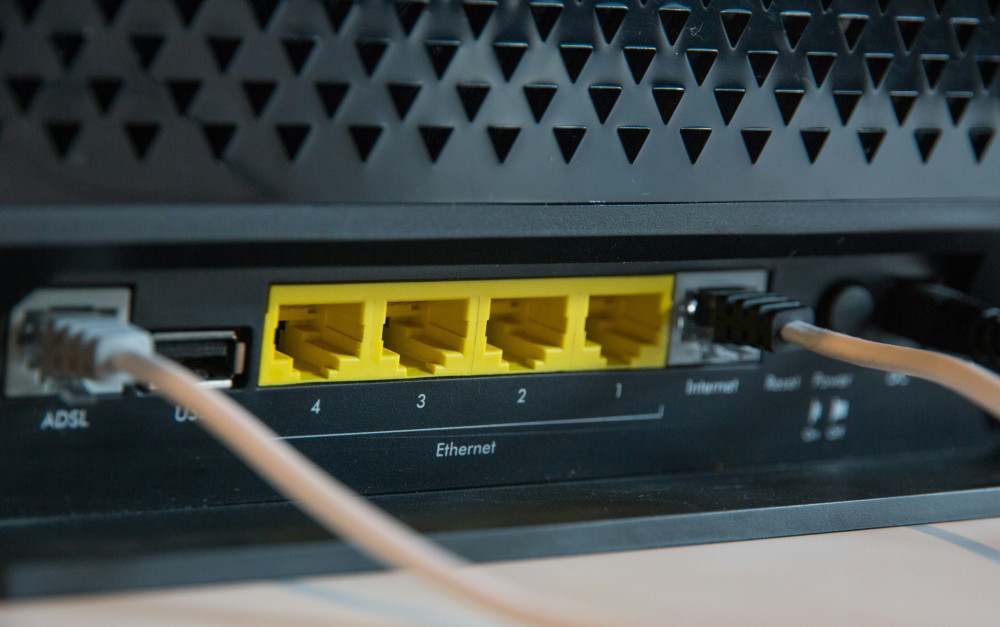
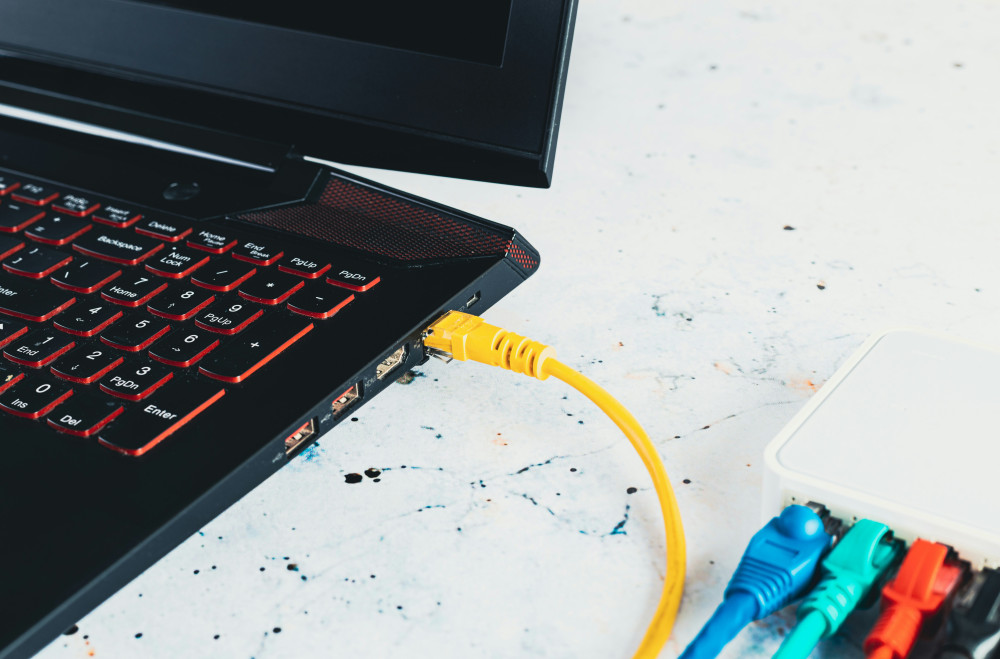
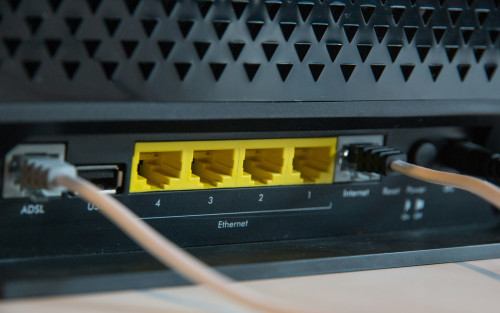
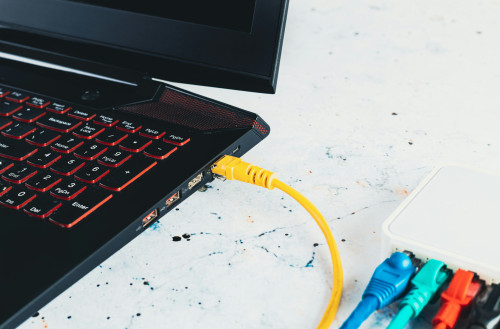
- Use a wired connection when possible – Wi-Fi is convenient, but an Ethernet cable often provides more stability.
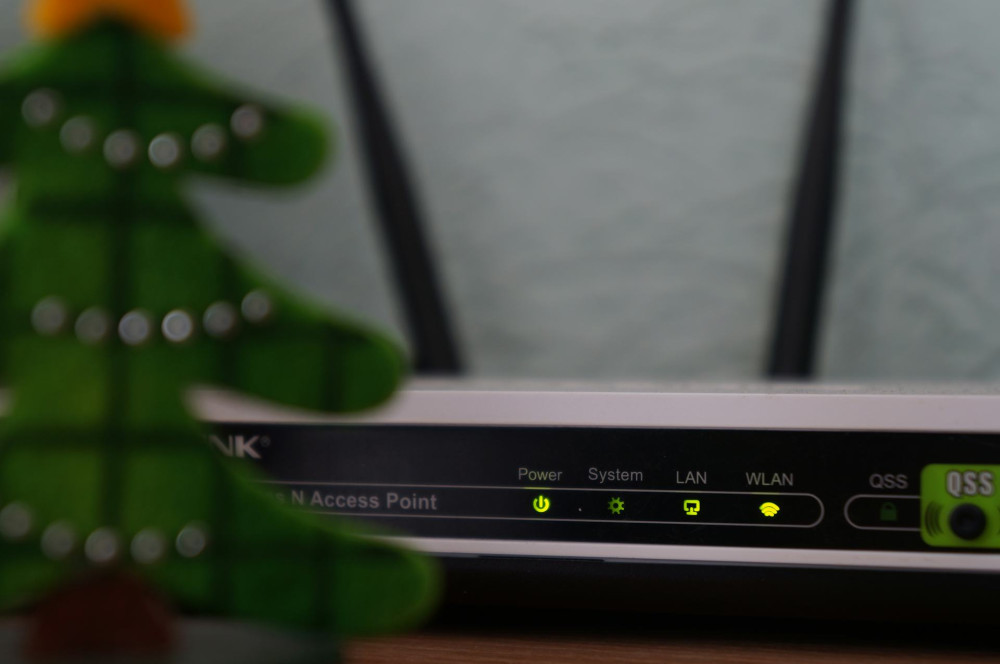
- Position your router wisely – keep it in a central, open space rather than behind furniture or inside cabinets.
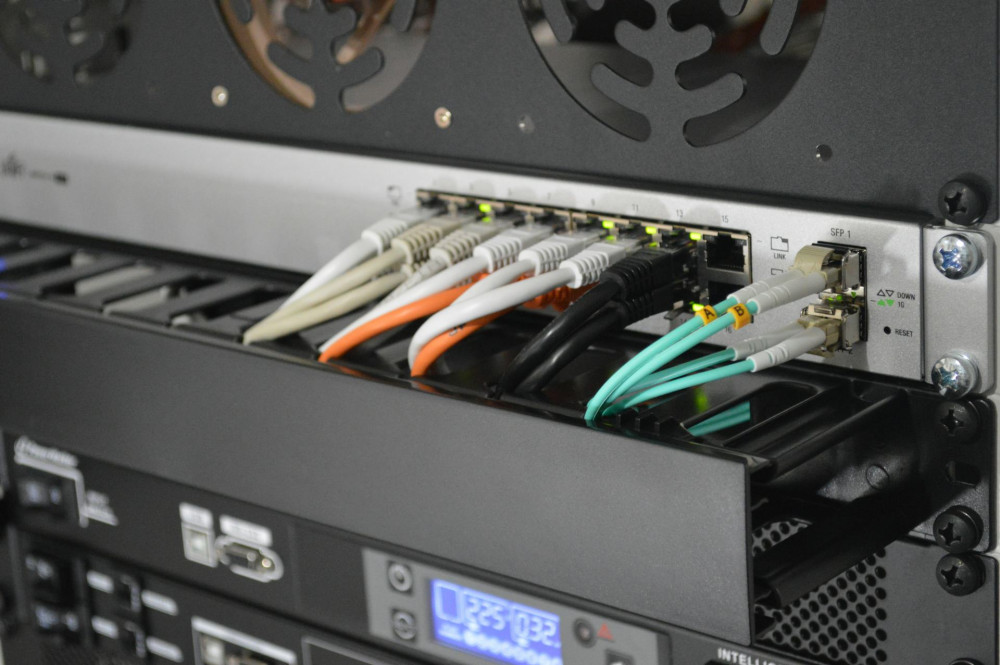
- Upgrade outdated equipment – older routers can become bottlenecks, especially when multiple devices are connected.
A stable connection isn’t just a technical issue—it’s an investment in the quality of collaboration.
Læs også:

Communication That Builds Clarity
Even with the best connection, teamwork can falter if communication isn’t clear. When you’re not in the same room, it becomes even more important to be intentional, structured, and present in your digital communication.
- Be mindful of tone and timing – what seems neutral in an email can be interpreted differently without facial expressions or body language.
- Use video when it adds value – seeing each other strengthens relationships and helps read emotions.
- Set clear expectations – who is responsible for what, and by when? Clarity prevents misunderstandings and duplicate work.
- Keep meetings focused – short, well-structured meetings with clear agendas are more productive than long, unfocused ones.
Good online communication takes awareness—but when it works, collaboration becomes both efficient and inspiring.
Digital Tools That Bring It All Together
The right tools can make all the difference. Platforms like Microsoft Teams, Slack, Google Workspace, and Zoom make it possible to share documents, chat, and meet across time zones. But it’s important to choose tools that fit your team’s needs—and to use them consistently.
- Centralize communication – avoid losing important messages in endless email threads.
- Work in shared documents – so everyone edits the same version and can track changes in real time.
- Automate routine tasks – small automations can save time and reduce errors.
Technology should support collaboration—not complicate it. Take time to learn the tools and agree on shared guidelines for how to use them.
Building a Culture of Trust and Availability
Effective online collaboration isn’t just about technology—it’s about people. When you don’t meet face-to-face, it can be harder to build trust and understand each other’s work rhythms. That’s why it’s important to create a culture where people are both accessible and respectful of boundaries.
- Be clear about working hours – so teammates know when you’re available.
- Share progress and updates – transparency builds alignment and trust.
- Lead with trust – focus on results rather than constant oversight.
When trust and communication go hand in hand, collaboration becomes not only more effective but also more human.
The Future of Work Is Hybrid
Many U.S. companies are embracing hybrid models, blending in-person and remote work. This shift brings new demands for both technology and team culture. A stable connection and strong communication are no longer just practical necessities—they’re strategic advantages.
By combining reliable technology with clear agreements and an open communication culture, teams can create collaboration that’s flexible, efficient, and sustainable—no matter where their members are located.
Læs også: