Retro Is Back: Why We’re Rediscovering the Games of the ’80s and ’90s

Retro Is Back: Why We’re Rediscovering the Games of the ’80s and ’90s
The pixelated heroes, the catchy 8-bit tunes, the clunky cartridges — they’re all making a comeback. In recent years, retro gaming has exploded in popularity across the United States, captivating both those who grew up with it and a new generation discovering it for the first time. But why are we returning to the games of the ’80s and ’90s when modern technology can deliver far more advanced experiences? The answer lies in nostalgia, design, and a longing for simplicity.
The Power of Nostalgia
For anyone who spent their childhood with an NES, a Sega Genesis, or a Game Boy, retro games are a direct line to the past. The sound of a startup jingle or the sight of a pixelated character can instantly transport players back to long afternoons in front of the TV, trying to beat a level without the help of online guides or walkthroughs.
Nostalgia is a powerful force. It’s not just about reliving the past, but about reconnecting with a time when games felt more straightforward and personal. Many players find that older games have a charm and authenticity that modern titles — with their cinematic graphics and sprawling open worlds — sometimes lack.
Tough but Fair: The Old-School Challenge
Another reason retro games continue to resonate is their design philosophy. Games from the ’80s and ’90s were often tough, but in a way that felt fair. You learned by failing, and every victory was earned through patience and practice. “Game over” really meant something back then.
In today’s gaming landscape, where autosaves, checkpoints, and tutorials are the norm, returning to a game that demands focus and persistence can be refreshing. It offers a sense of accomplishment that many players miss in modern titles — the satisfaction of mastering a challenge through skill alone.
The Joy of the Physical Experience
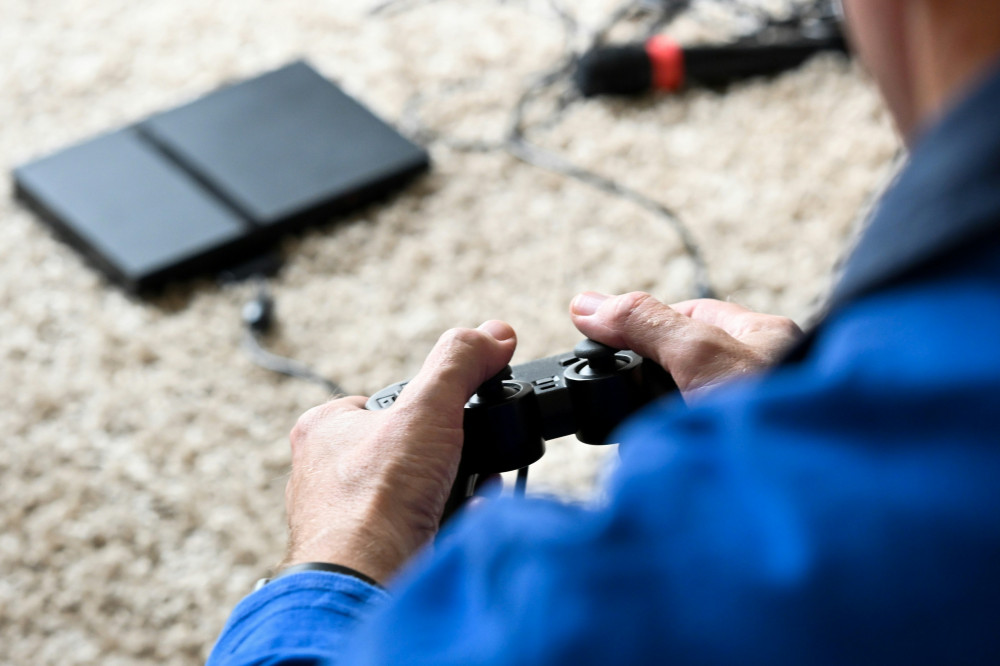
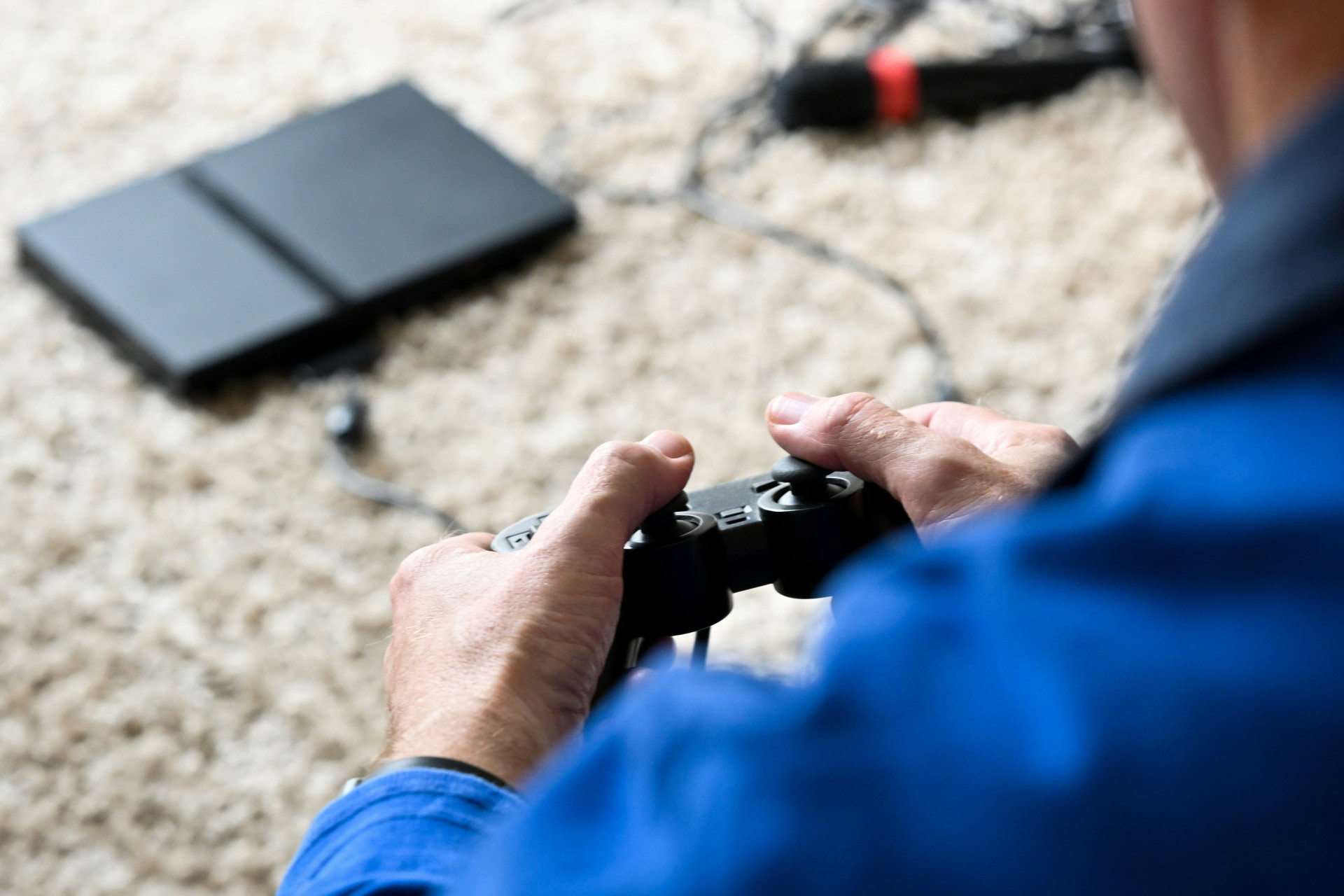
Retro gaming isn’t just about the software; it’s also about the hardware. Cartridges, controllers, and consoles have become prized collector’s items. Across the U.S., retro game stores, flea markets, and online auctions are thriving, as enthusiasts hunt for original copies of classics or restore old systems to working condition.
There’s something special about sliding a cartridge into a console, hearing that satisfying click, and watching the logo appear on screen. It’s a tactile, sensory experience that digital downloads and cloud gaming can’t replicate.
Old Games, New Platforms
You no longer need to own a vintage console to enjoy retro games. Today, classics are available on nearly every platform. Companies like Nintendo, Sony, and Sega have released mini versions of their iconic systems, while digital storefronts such as Steam and GOG offer hundreds of remastered or emulated titles.
The retro revival has also inspired a wave of new “neo-retro” games — modern titles that borrow the look and feel of the classics while adding contemporary gameplay innovations. These games prove that retro isn’t just about looking back; it’s about reimagining the past for a new era.
A Community That Spans Generations
Retro gaming has fostered a vibrant community across the U.S. Online forums, YouTube channels, and conventions like Portland Retro Gaming Expo or MAGFest bring together thousands of fans who share tips, memories, and collections. Many younger players are introduced to these classics by parents or older siblings, turning retro gaming into a bridge between generations.
There’s a unique joy in showing a child how to play an old platformer and watching them experience the same excitement you felt decades ago. It’s a reminder that great games never truly age — they just find new audiences.
Læs også:



Timeless Design, Lasting Appeal
Even as technology evolves, the best retro games have proven that good design is timeless. Simple mechanics, clear goals, and intuitive controls make them as engaging today as they were thirty years ago. They remind us that fun doesn’t require photorealistic graphics or massive budgets — sometimes, all it takes is a few pixels and a great idea.
Retro gaming isn’t just a nostalgic trip down memory lane; it’s a celebration of where video games came from — and a testament to why they continue to captivate us.
Læs også: