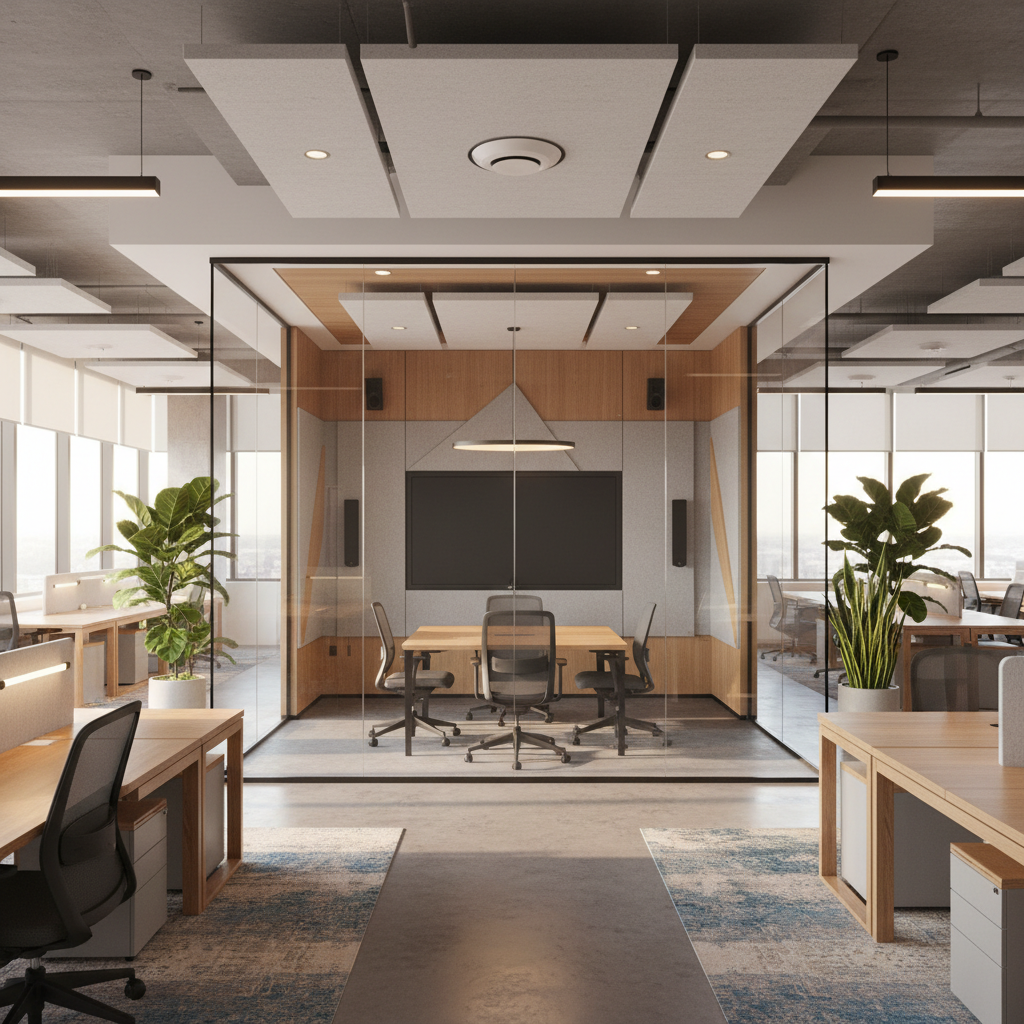
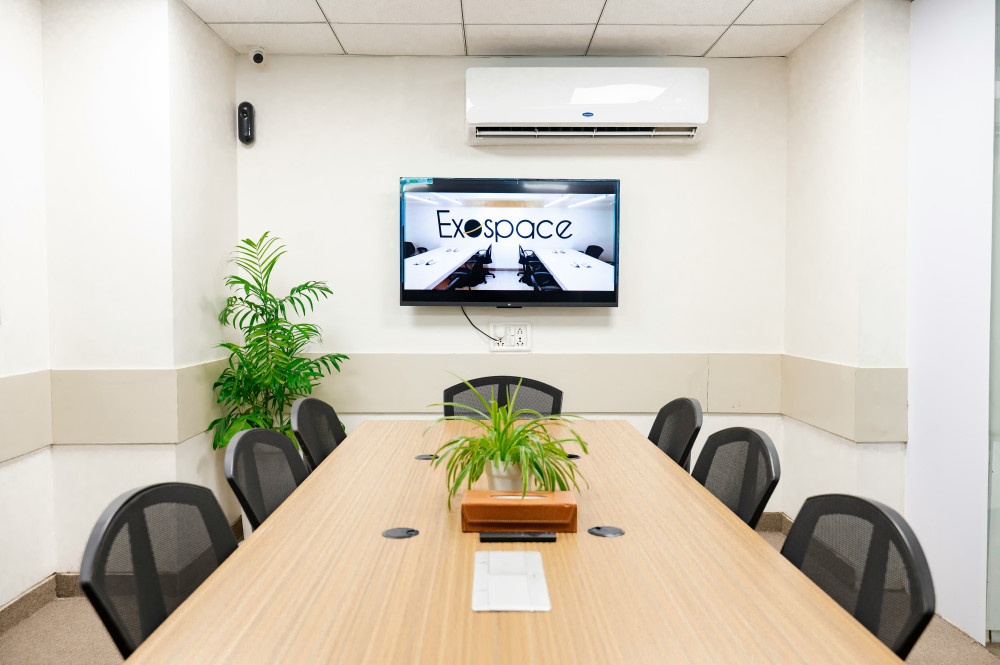
Creating a productive work environment requires more than just ergonomic furniture and high-speed internet. Optimizing office acoustics through professional AV solutions enhances speech intelligibility, reduces distractions, and boosts productivity in modern hybrid workspaces. As businesses transition to open-plan layouts and flexible hybrid models, the prevalence of hard surfaces like glass walls and concrete ceilings often creates unwanted reverberation. These acoustic challenges can significantly degrade the quality of video conferencing, making it difficult for remote teams to collaborate effectively. By addressing these environmental factors early in the design phase, organizations can ensure that their communication technology performs at its peak.

Strategies for optimizing office acoustics
Effective acoustic management relies on a combination of physical treatments and advanced technology to create a balanced soundscape. Sound absorption, using panels and ceiling tiles, is essential for soaking up excess noise, while diffusion helps scatter sound waves to prevent harsh echoes. For businesses looking to implement these high-performance standards, Biamp provides a range of networked media solutions designed to meet the demands of diverse meeting spaces. Beyond physical barriers, sound masking technology introduces low-level, unobtrusive noise that helps to cover up distracting conversations and ambient sounds. This multi-layered approach ensures that speech remains clear and confidential, regardless of the office layout or the number of people present.
Professional av integration techniques
Modern AV integration goes far beyond simply installing microphones and speakers. Digital signal processing acts as the backbone of a high-quality system, allowing for the precise equalization of frequencies and the suppression of feedback in any room shape. Professional integrators often deploy noise-cancelling technologies that can filter out persistent HVAC hums or foot traffic noise, ensuring that the focus remains on the meeting participants. Furthermore, creating dedicated zones based on activity levels allows for better spatial management. By separating quiet focus areas from high-energy collaboration spaces, companies can minimize the overall noise floor and improve the daily experience for every employee.
Productivity impacts and future trends
The correlation between acoustic quality and workplace performance is well-documented, with studies showing that employees in well-treated offices experience higher levels of focus and job satisfaction. As we look toward 2026, the demand for AV-acoustic hybrids continues to rise, driven by the need for immersive audio experiences and scalable infrastructure. Technologies such as 3D soundscapes and retrofittable acoustic panels are becoming standard in modern office renovations. By investing in these professional solutions and prioritizing acoustic health, organizations can foster a collaborative environment that supports the evolving needs of the global workforce while maintaining the highest standards of communication clarity.