Save Energy with Smart Home Solutions


Save Energy with Smart Home Solutions
Energy costs fluctuate, and awareness of climate change continues to grow. Many Americans are looking for ways to reduce their energy use without sacrificing comfort at home. Smart home technology offers an effective solution. With intelligent systems that automatically adapt to your lifestyle, you can save money and lower your environmental impact at the same time.
What Is a Smart Home?
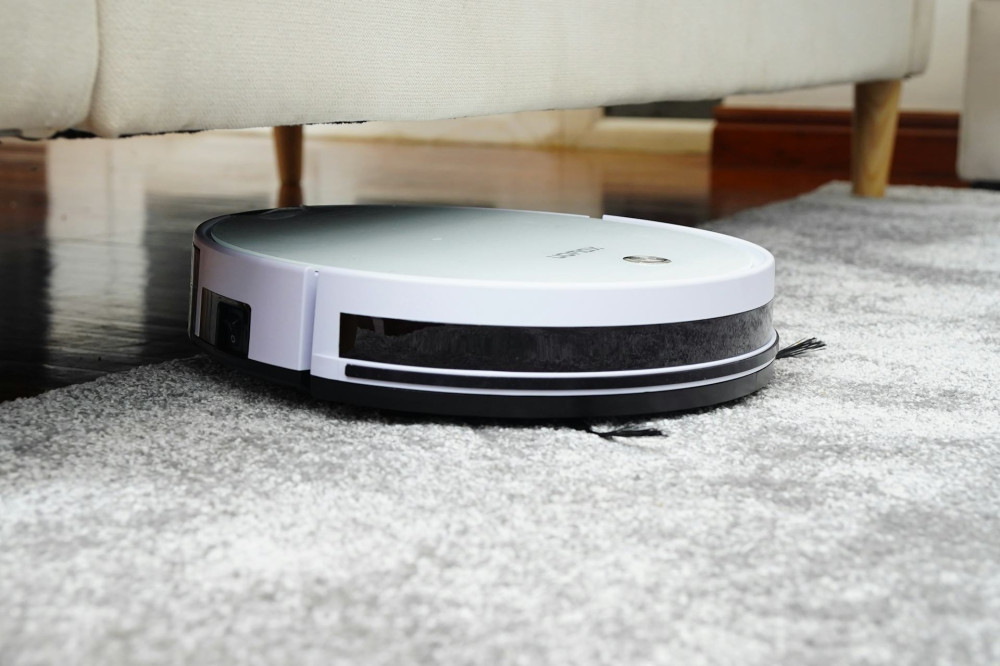
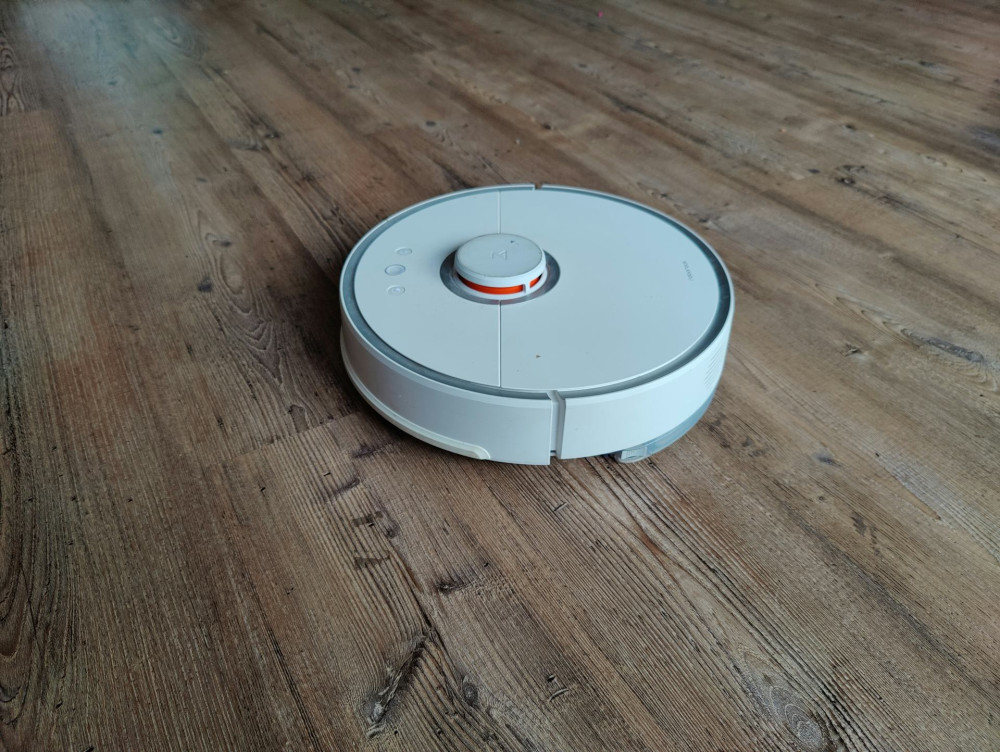
A smart home is one where technology works for you. It connects appliances, lighting, heating, cooling, and security systems into one network that you can control through an app, voice commands, or automated routines.
The goal isn’t just convenience—it’s efficiency. When devices communicate with each other, they can optimize energy use in real time. For example, your thermostat can lower the temperature when you leave the house, or your lights can turn off automatically when no motion is detected.
Læs også:



Smarter Heating and Cooling
Heating and cooling account for a large portion of household energy use in the U.S. A smart thermostat helps you manage temperature more efficiently and avoid unnecessary energy consumption.
- Automatic adjustment: The thermostat learns your habits and adjusts the temperature so your home is comfortable when you’re there and energy-efficient when you’re away.
- Remote control: You can change settings from your phone—perfect if you’re coming home earlier or later than expected.
- Zoned heating and cooling: In larger homes, you can set different temperatures for different areas, so you’re not heating or cooling unused spaces.
When combined with sensors, the system can even detect open windows or doors and temporarily pause heating or cooling in that area.
Lighting That Thinks for You
Lighting is another area where smart technology can make a noticeable difference. Smart bulbs and motion sensors ensure that lights are only on when needed.
- Automatic shutoff: Lights turn off when you leave a room.
- Daylight adjustment: The system dims or brightens lights based on natural light levels.
- Scheduling: Set routines—for example, dimming lights in the evening to save energy and create a relaxing atmosphere.
Even small changes in lighting habits can lead to significant savings over time, especially when combined with energy-efficient LED bulbs.
Smart Plugs and Energy Monitoring
Many devices draw power even when turned off—known as standby power. Smart plugs let you monitor and control the energy use of individual devices.
You can:
- Automatically cut power to TVs, game consoles, and chargers at night.
- See which devices use the most energy and adjust your habits accordingly.
- Create “away” scenes that turn off multiple devices when you leave home.
Some systems also offer real-time energy monitoring, allowing you to track your total consumption and identify where you can save more.
Solar Power and Battery Storage – The Next Step
If you have solar panels, smart home technology can help you make the most of your renewable energy. An intelligent system can:
- Charge your electric vehicle when solar production is highest.
- Store excess energy in a home battery for use in the evening.
- Schedule appliances to run when electricity is cheapest or most sustainable.
This way, your home becomes not just energy-efficient but also an active part of a cleaner energy future.
How to Get Started
Turning your entire home into a smart home doesn’t have to happen overnight. Start small and build gradually:
- Focus on one area first—such as heating or lighting.
- Choose expandable products so you can add more devices later.
- Check compatibility—many systems work best when they use the same platform.
- Use your data—track your energy use and make adjustments over time.
With each step, you’ll create a system tailored to your needs—one that makes daily life easier and more sustainable.
The Future Home Is Smart and Energy-Efficient
Smart home solutions aren’t just about technology—they’re about using energy wisely. When your home can automatically manage heating, lighting, and electricity use, it becomes easier to live greener without giving up comfort.
It’s an investment that pays off—on your utility bills and for the planet.
Læs også: