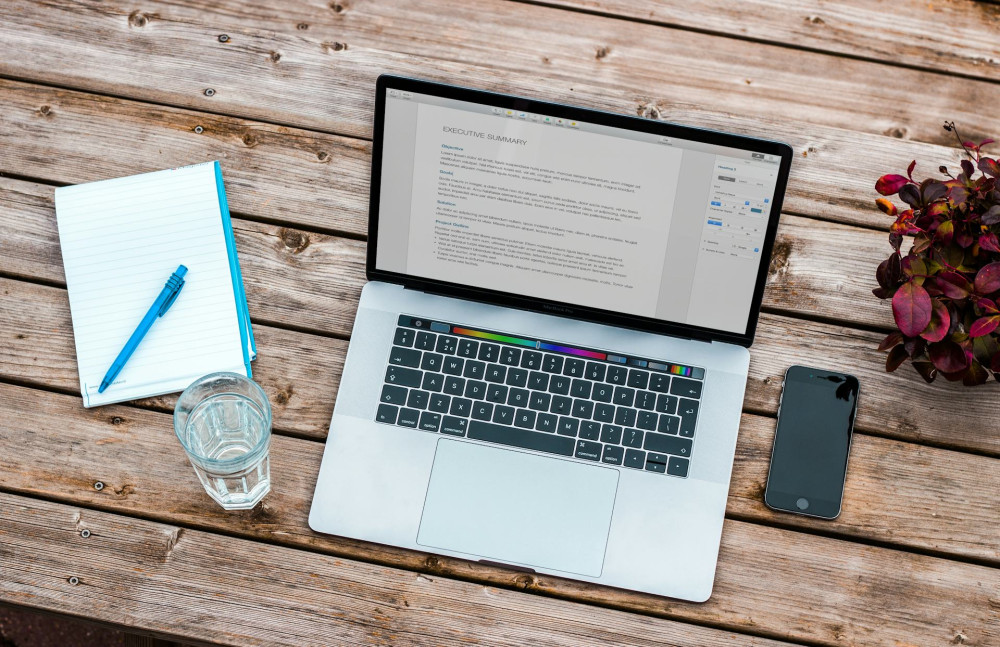
An Efficient Everyday Life: How Your Digital Devices Help You Organize Your Home


An Efficient Everyday Life: How Your Digital Devices Help You Organize Your Home
In today’s busy world, keeping track of grocery lists, cleaning schedules, kids’ activities, and bills can feel overwhelming. Fortunately, your digital devices — smartphone, tablet, computer, and smart home assistants — can make daily life more manageable. With the right tools, you can save time, reduce stress, and create a calmer, more organized home.
Planning Across Devices
One of the biggest advantages of digital tools is how easily they sync across platforms. Calendar apps like Google Calendar, Apple Calendar, or Microsoft Outlook let you keep all your family’s appointments in one place. You can color-code events, share calendars with others, and receive reminders directly on your phone or smartwatch.
This means you always have an overview — whether you’re at the grocery store, at work, or on the go. Many families use a shared digital calendar so everyone knows who’s doing what and when.
Digital To-Do Lists and Reminders
Paper lists can be satisfying, but digital to-do lists are far more flexible. Apps like Todoist, Microsoft To Do, or Google Keep allow you to create tasks, assign them to family members, and set deadlines. You can even get notifications when a task is due.
For example, a shared grocery list updates automatically when someone adds an item. That way, you avoid buying duplicates and make shopping trips more efficient.
Smart Technology at Home
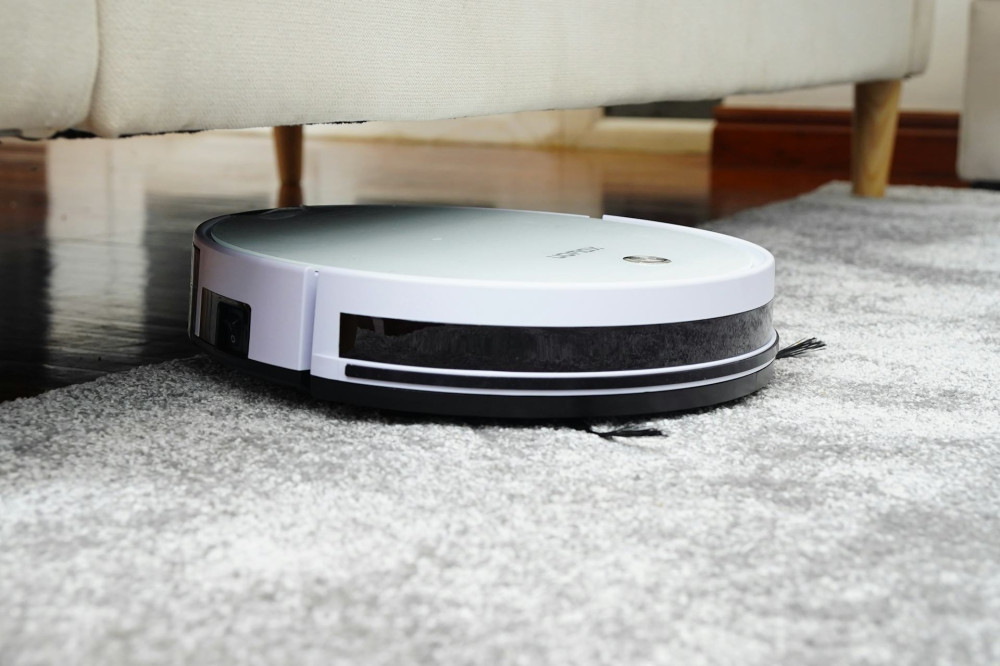
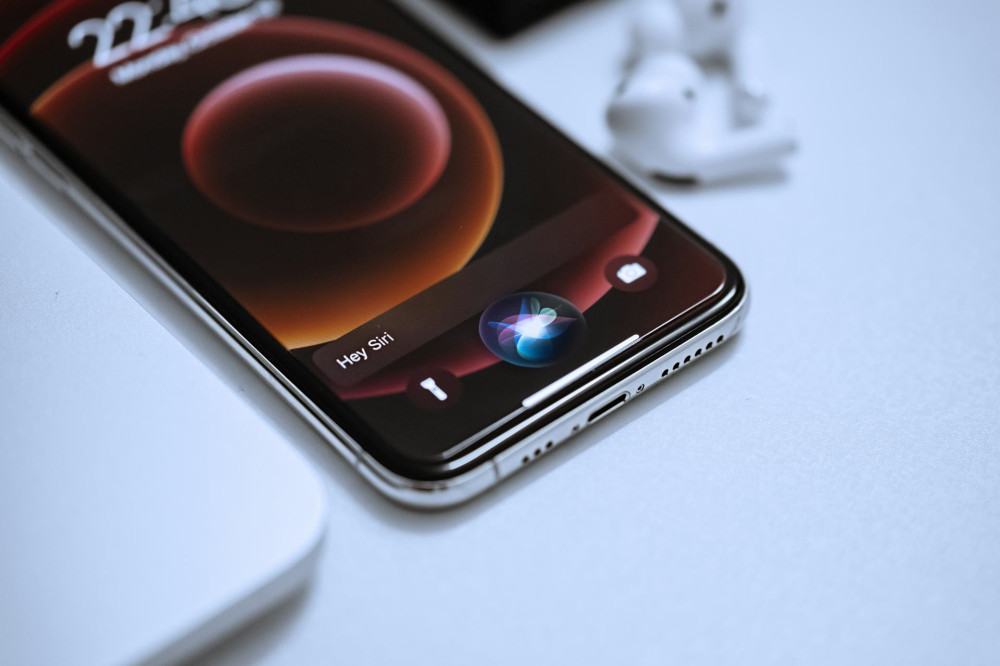
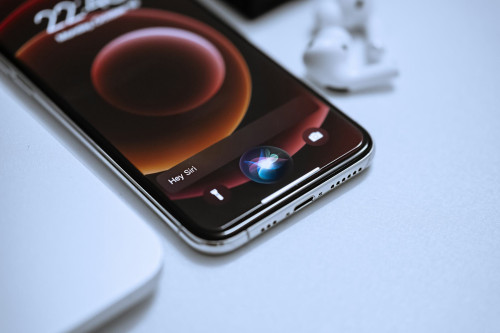
Smart home devices have become a natural part of many American households. Voice-controlled assistants like Amazon Alexa, Google Nest, or Apple HomePod can help with everything from turning on the lights to reminding you of appointments. You can connect them to smart plugs, thermostats, and robot vacuums so your home practically runs itself.
A simple “Alexa, what’s on my schedule today?” can give you a quick overview of your day while you make your morning coffee. These small helpers can make a big difference in your daily routine.
Læs også:

Organizing Documents and Finances
Digital tools also make it easier to manage paperwork. Cloud services like Google Drive, Dropbox, or OneDrive let you store important documents securely and access them from any device. You can scan receipts, save warranties, and share folders with your partner.
When it comes to finances, apps like Mint, YNAB (You Need a Budget), or EveryDollar help you track spending and manage your budget. They give you a clear picture of your expenses and help you plan ahead — so you can avoid unpleasant surprises at the end of the month.
Building Digital Routines
Technology can’t do everything for you, but it can support your habits. By incorporating small digital routines into your day, you can create structure without extra effort. Set a reminder to unload the dishwasher, schedule a weekly cleaning plan in your calendar, or use a habit-tracking app to stay consistent with your goals.
It’s not about adding more screen time — it’s about using technology as a tool to free up time and mental space.
A More Manageable Everyday Life
When used intentionally, your digital devices can become key to a more organized and peaceful daily life. They help you gather information, plan smarter, and automate small tasks so you can focus on what truly matters — family, leisure, and the moments that make life meaningful.
Technology isn’t a replacement for structure; it’s a way to build it. Once you find the tools that fit your lifestyle, you’ll discover just how much easier everyday life can be.
Læs også: